
Common Toilet Problems (Running Toilets, Leaks, Weak Flush) and Solutions
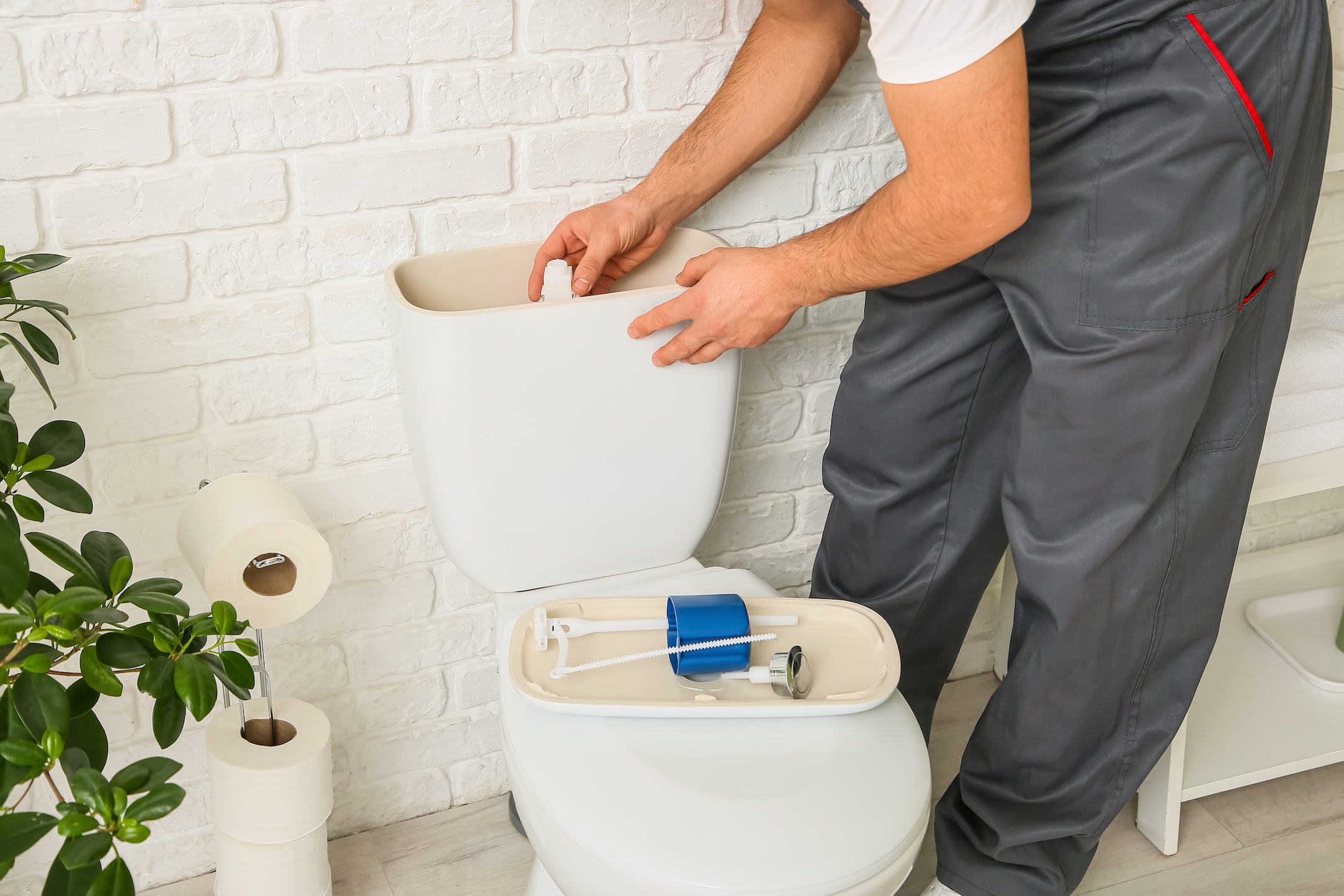
Toilet problems are among the most frustrating household issues that homeowners face. From the constant sound of running water to puddles forming around the base, a leaking toilet or malfunctioning cistern can waste hundreds of litres of water and significantly increase your utility bills. For Rockingham residents, understanding common toilet issues and knowing when to seek professional toilet repairs Rockingham services can save both money and stress.
This comprehensive blog will help you identify common toilet problems and provide practical solutions to restore your bathroom’s functionality.
Common Toilet Problems
Toilets are relatively simple fixtures, but several common issues can disrupt their operation.
Running Toilets
A running toilet is one of the most common and wasteful plumbing problems.
The primary causes of running toilets include:
- Worn flapper valve: The rubber flapper that seals the flush valve deteriorates over time, preventing a proper seal
- Faulty fill valve: A malfunctioning fill valve continues to allow water into the cistern even when full
- Incorrect float height: If the float is set too high, water continuously flows into the overflow tube
- Damaged overflow tube: Cracks or breaks in the overflow tube can cause continuous water flow
Leaking Toilets
A leaking toilet results in several ways, water pooling around the base, dripping from the cistern, or moisture appearing on supply lines.
Common causes of toilet leaks include:
- Deteriorated wax ring: The seal between the toilet base and the floor drain breaks down, causing leaks during flushing
- Cracked cistern or bowl: Porcelain cracks allow water to seep out continuously
- Loose or worn supply line connections: Connections between the water supply and cistern can loosen or deteriorate
- Failed cistern-to-bowl gasket: The rubber seal between the cistern and bowl can crack or compress over time
Weak Flush
A weak or incomplete flush fails to clear the bowl properly, requiring multiple flushes and wasting water.
Potential causes of weak flushes include:
- Clogged rim jets: Mineral deposits block the small holes under the toilet rim that direct water into the bowl
- Low water level in cistern: Insufficient water in the cistern reduces flushing power
- Partial blockage: Build-up in the trap or drain line restricts water flow
- Worn flapper: A flapper that closes too quickly doesn’t allow enough water to complete the flush cycle
Solutions to Common Toilet Problems
Once you’ve identified your toilet problem, these practical solutions can help restore proper function. However, remember that some repairs require professional expertise to ensure lasting results.
Fixing Running Toilets
For a running toilet, start with these solutions:
Replace the flapper valve: This is the most common fix for running toilets. Turn off the water supply, flush to empty the cistern, remove the old flapper, and install a new one matching your toilet model. Flappers are inexpensive and available at hardware stores, making this a straightforward DIY repair.
Adjust the float: If your float sits too high, water continuously flows into the overflow tube. Adjust the float arm or the adjustment screw on newer fill valves to lower the water level to about 2-3 centimetres below the top of the overflow tube.
Replace the fill valve: If adjusting the float doesn’t solve the problem, the fill valve itself may be faulty. Replacement fill valves are relatively simple to install, but if you’re uncomfortable with plumbing work, professional toilet repair services can handle this quickly and ensure proper installation.
Repairing Leaking Toilets
Addressing a leaking toilet depends on the leak’s location:
Replace the wax ring: If water pools around the toilet base, the wax ring seal has likely failed. This repair requires removing the entire toilet, scraping away the old wax, installing a new ring, and properly reseating and sealing the toilet. Due to the complexity and importance of proper installation, most homeowners prefer professional toilet leak repair for this issue.
Tighten supply line connections: Check where the supply line connects to both the shut-off valve and the cistern. Hand-tighten these connections, being careful not to over-tighten and crack the fittings. If leaks persist, replace the supply line washers or the entire supply line.
Replace the cistern-to-bowl gasket: If water leaks from between the cistern and bowl, the rubber gasket needs replacement. This involves disconnecting the water supply, removing the cistern, replacing the gasket, and carefully reassembling.
Repair cracks: Cracked cisterns or bowls typically require complete replacement to prevent ongoing leaking toilet issues and potential flooding.
Improving Weak Flush Performance
To restore proper flushing power:
Clean the rim jets: Use a small mirror to locate the rim jets under the toilet bowl rim. Clear mineral deposits with a piece of wire or a specialised rim jet cleaner, then pour white vinegar around the rim and let it sit for several hours before flushing. This dissolves remaining mineral build-up.
Adjust water level: Ensure the cistern water level reaches the fill line marked inside the cistern. Adjust the float to increase water level if it’s too low, providing more water volume for effective flushing.
Clear partial blockages: Use a toilet auger (plumber’s snake) to clear blockages in the trap or drain line that restrict flow. Unlike plungers, augers can reach deeper blockages that cause weak flushes.
Check the flapper chain: The chain connecting the flush handle to the flapper should have minimal slack. Too much slack prevents the flapper from opening fully, whilst too little can prevent it from closing properly. Adjust the chain length for optimal operation.
When to Call a Professional
Whilst many toilet problems can be resolved with DIY solutions, certain situations require professional expertise. Contact a qualified plumber for toilet repairs in Rockingham when you encounter any such issues or when you’re uncomfortable performing repairs involving removing the toilet.
Professional plumbers have specialised tools and expertise to diagnose complex problems quickly, ensuring repairs are completed correctly the first time. For toilet leak repair involving the wax ring or major component replacement, professional installation prevents future problems and water damage that could cost thousands to repair.
Conclusion
Addressing common toilet problems promptly prevents minor annoyances from escalating into expensive emergencies. Whether you’re dealing with a running toilet wasting water, a leaking toilet damaging your bathroom floor, or a weak flush requiring multiple attempts, understanding the causes and solutions enables you to take action.
By staying vigilant for warning signs and addressing toilet problems early, you’ll maintain a functional, efficient bathroom whilst avoiding the hassle and expense of major plumbing emergencies.


