
Renovation Hub Plans for Modern Kitchens
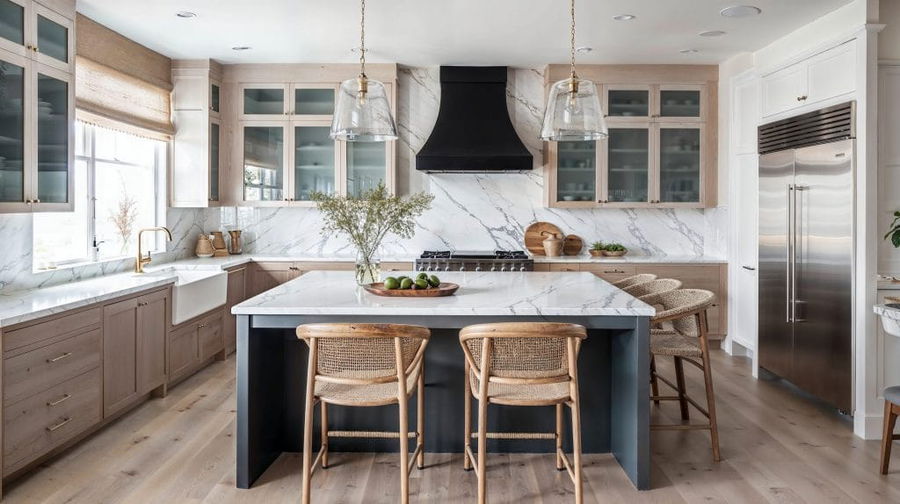
The kitchen has long been considered the heart of a home, a space where functionality meets social connection. In contemporary homes, it has evolved into a sophisticated hub that balances culinary efficiency with aesthetic appeal. For homeowners looking to reimagine this vital area, leveraging modern kitchen renovation plans provides a roadmap to transform a utilitarian space into a stunning and practical centerpiece.
Defining the Modern Kitchen
A modern kitchen emphasizes clean lines, streamlined surfaces, and intuitive layouts. The goal is to create an environment that encourages efficiency while fostering a welcoming atmosphere. Contemporary kitchen designs prioritize minimalism, seamless storage solutions, and the integration of smart appliances to enhance both form and function. These designs eliminate clutter and introduce a sense of flow that makes cooking and entertaining more enjoyable.
Essential Elements of Kitchen Upgrade Ideas
Renovating a kitchen involves more than just swapping out cabinets or countertops. Kitchen upgrade ideas focus on creating an optimized layout, enhancing storage, and incorporating durable yet stylish materials. Popular upgrades include installing islands with multi-functional capabilities, integrating pull-out pantries, and selecting surfaces that are both visually appealing and easy to maintain. Proper lighting, including task and ambient layers, is another crucial aspect, ensuring the kitchen is bright, inviting, and functional.
Layout and Space Planning
An effective kitchen renovation begins with careful planning of the layout. Classic configurations such as L-shaped, U-shaped, and galley kitchens remain popular, but modern designs often incorporate open-concept layouts that connect the kitchen to dining and living areas. This approach supports social interaction while maintaining efficiency. Leveraging modern kitchen renovation plans helps homeowners visualize space utilization and ensures that the workflow—commonly referred to as the kitchen work triangle between the stove, sink, and refrigerator—is optimized.
Material Selection and Finishes
Selecting the right materials is crucial for both durability and visual impact. Quartz, granite, and engineered stone countertops offer resilience and low maintenance, while cabinetry finishes in muted tones or high-gloss surfaces align with contemporary kitchen designs. Flooring options, including hardwood, polished concrete, or large-format tiles, can define the space while ensuring long-term usability. Additionally, backsplash choices, ranging from sleek glass panels to textured ceramics, provide opportunities to inject personality into the kitchen while remaining functional.
Smart Storage Solutions
One of the defining features of modern kitchens is the incorporation of smart storage solutions. Pull-out drawers, deep pantry units, and corner carousels maximize space efficiency and reduce clutter. Kitchen upgrade ideas often focus on hidden storage for small appliances, built-in recycling bins, and modular cabinetry that can adapt to changing needs. These enhancements not only improve organization but also elevate the overall aesthetics of the space.
Technology Integration
Technology has become an indispensable element of modern kitchens. From smart refrigerators and ovens to motion-sensor faucets and app-controlled lighting, technology can streamline daily tasks and enhance convenience. Following renovation hub kitchen tips, designers recommend integrating technology in a subtle manner that complements the design rather than dominating it. This creates a seamless experience where functionality and style coexist harmoniously.
Lighting and Ambiance
Lighting plays a pivotal role in shaping the mood and usability of a kitchen. Combining ambient, task, and accent lighting ensures the space is practical for cooking while also highlighting design features. Pendant lights over islands, under-cabinet LED strips, and strategically placed recessed fixtures all contribute to a well-balanced lighting plan. Incorporating these elements aligns with modern kitchen renovation plans, providing both visual appeal and functional support.
Color Palettes and Accents
Color choices can dramatically impact the perception of space and style. Neutral palettes such as whites, grays, and soft earthy tones remain timeless, but contemporary kitchen designs also embrace bold accent colors on cabinetry, islands, or decorative elements. Combining these with metallic finishes, natural wood, or textured materials creates a dynamic environment that feels both modern and inviting.
Practical Considerations
A successful kitchen renovation balances aesthetics with practical concerns. Considerations such as ventilation, durability, accessibility, and energy efficiency are critical. Incorporating energy-efficient appliances and eco-friendly materials contributes to sustainability while reducing long-term operational costs. By following renovation hub kitchen tips, homeowners can ensure that every decision, from layout to finishes, enhances usability without compromising style.
Modern kitchens are more than cooking spaces; they are dynamic hubs that blend functionality, design, and technology. Leveraging modern kitchen renovation plans provides a structured approach to transforming these areas into visually striking and highly efficient environments. By integrating kitchen upgrade ideas, embracing contemporary kitchen designs, and following practical renovation hub kitchen tips, homeowners can create a kitchen that is timeless, stylish, and perfectly suited to the demands of modern living. From smart layouts to innovative materials and thoughtful lighting, every element contributes to a cohesive and inspiring space where culinary creativity thrives.


